How do our genomes remain stable
every time they are duplicated?
During DNA replication, cells risk replication fork collapse, chromosomal rearrangements, cancerous mutagenesis, loss of epigenetic identity, and cell death at every highly regulated step. In our lab, we characterize the details of these mechanisms to improve treatment and prevention of diseases resulting from genomic instability .
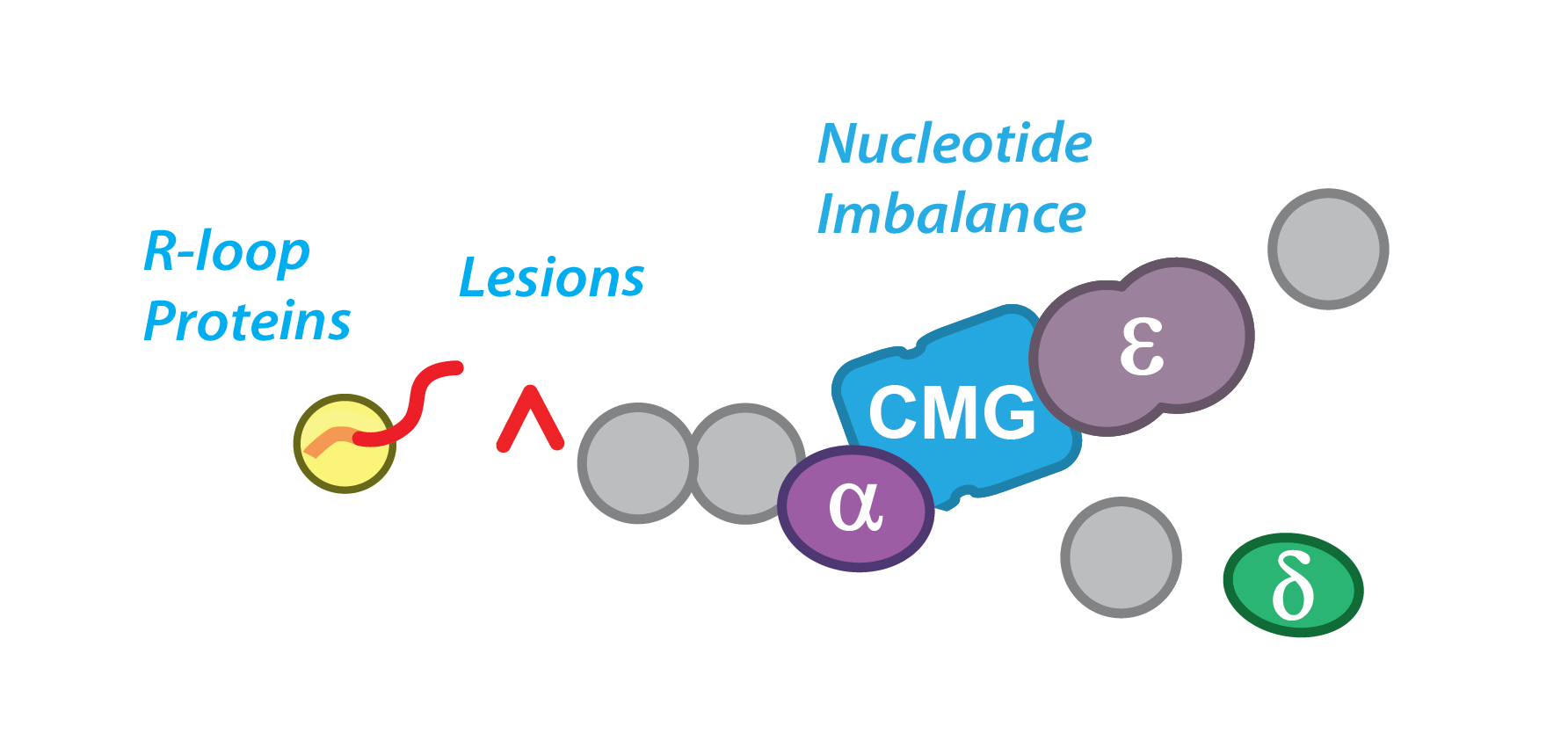
Particularly perilous to genomic integrity are various forms of replication stress since the busy circumstances of replication prohibit traditional repair mechanisms from operating.
To manage these impediments, highly conserved pathways remodel the replication fork to allow obstacle bypass or repair. We are currently focused on three related areas:
1. Replication checkpoint mechanisms
and cell cycle control
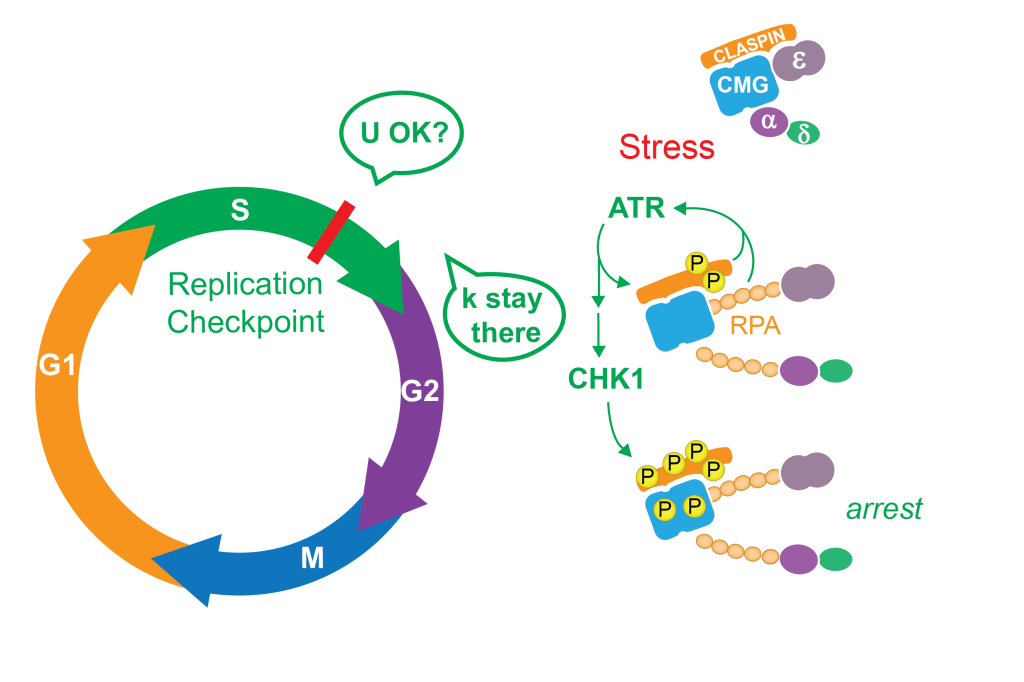
We study the molecular mechanisms of the replication checkpoint , which gets activated by stress-associated helicase/polymerase uncoupling. One player we are highly interested in is Claspin, a replisome component and requisite mediator of the replication checkpoint, and a prime cancer target. How exactly does Claspin mediate the replication checkpoint? Is cell cycle arrest a cause or consequence of the checkpoint? How does ATR, the primary kinase in the replication checkpoint, regulate access to recombination and repair machinery?
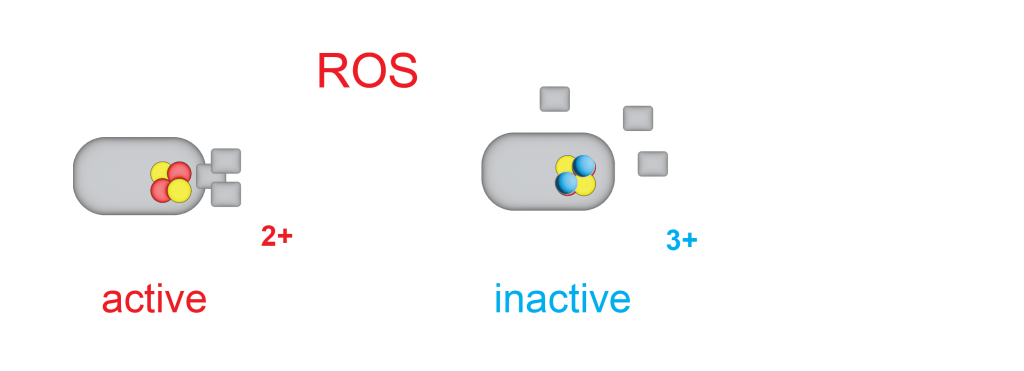
In studying these mechanisms, we found that hydroxyurea (HU), a drug used to model replication stress by dNTP depletion, causes Reactive Oxygen Species (ROS) that oxidize the integral iron sulfur clusters of all three replicative polymerases (and likely much more!), causing replication fork disassembly and cell cycle arrest.
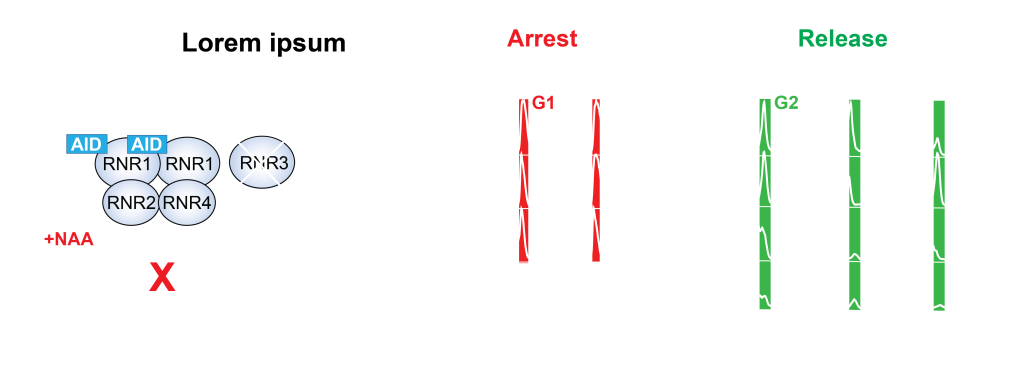
In the course of this work, we developed RNR-deg, an alternative to HU for cell cycle arrest. Due to the lack of ROS, cells recover from arrest much faster. The above is for yeast cells and we have developed this system in human cells, too. This tool lets us probe checkpoint mechanisms with unprecedented specificity.
2. Translesion Synthesis
DNA lesions like UV-induced thymine dimers (the primary cause of melanoma!) strongly block replicative polymerases like Pol ε, the leading strand polymerase. How does the replisome get around this?
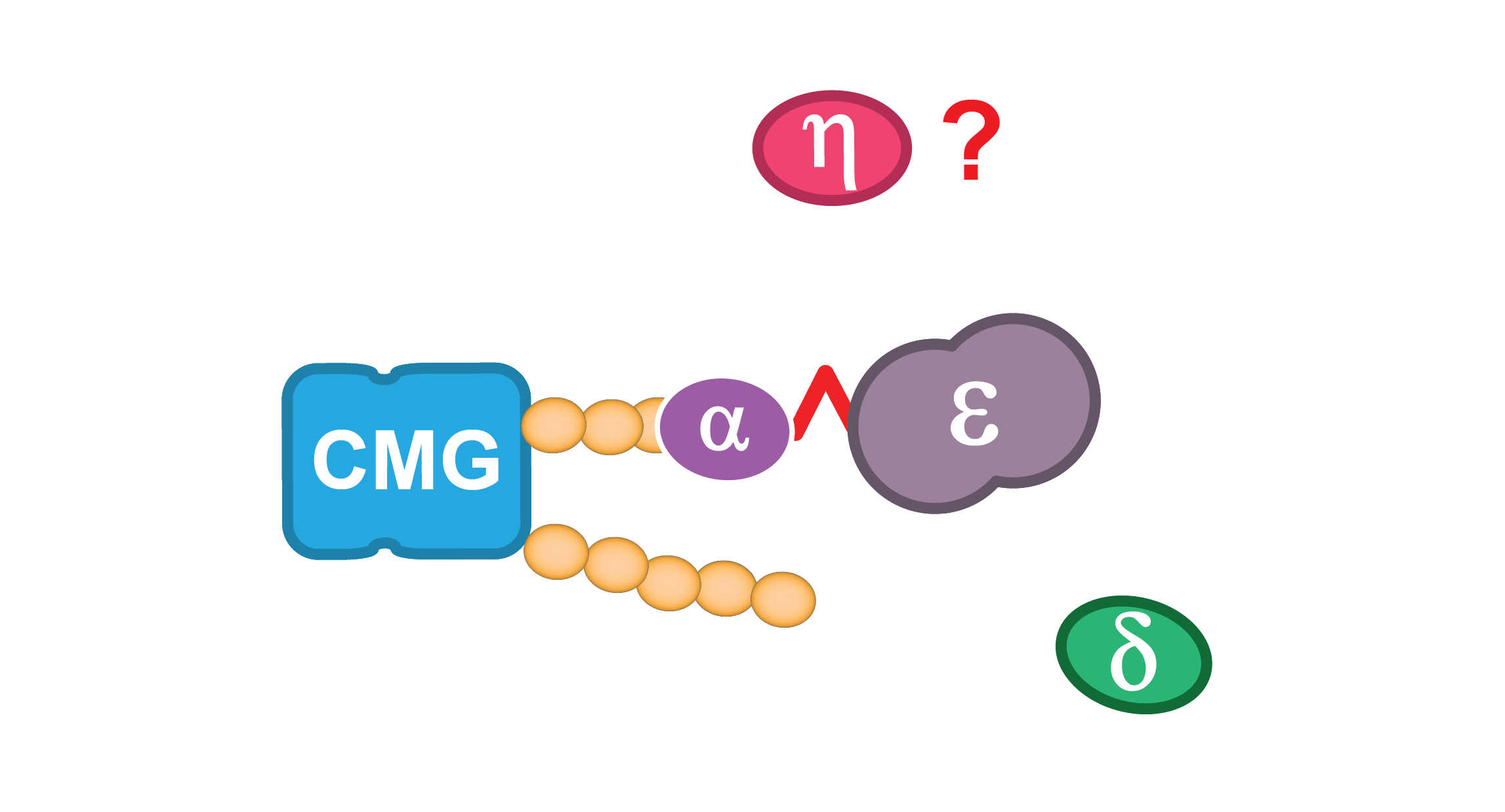
The best known workaround is to invoke specialized translesion synthesis (TLS) polymerases like Pol eta. But because TLS Pols lack proofreading, they are error-prone, and are thus highly regulated. We are studying the structural dynamics of this regulation at the genetic, biochemical, and single-molecule level: how is this TLS Pol specifically recruited and regulated, and how is the replisome remodeled to accommodate these enzymes?
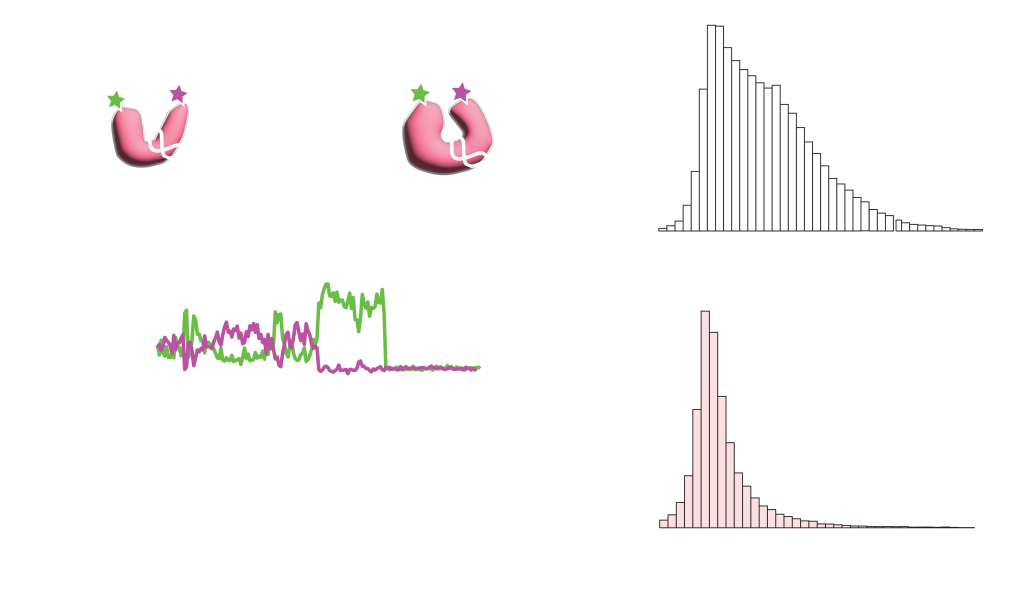
We discovered a surprising role for Pol α, the replicative polymerase-primase, in bypassing bulky thymine dimers. Using single-molecule FRET, we showed that the thumb and fingers of this enzyme stay open to accommodate a bulky lesion. Is there a use for this activity, and how is it regulated?
3. R-loop protein collisions
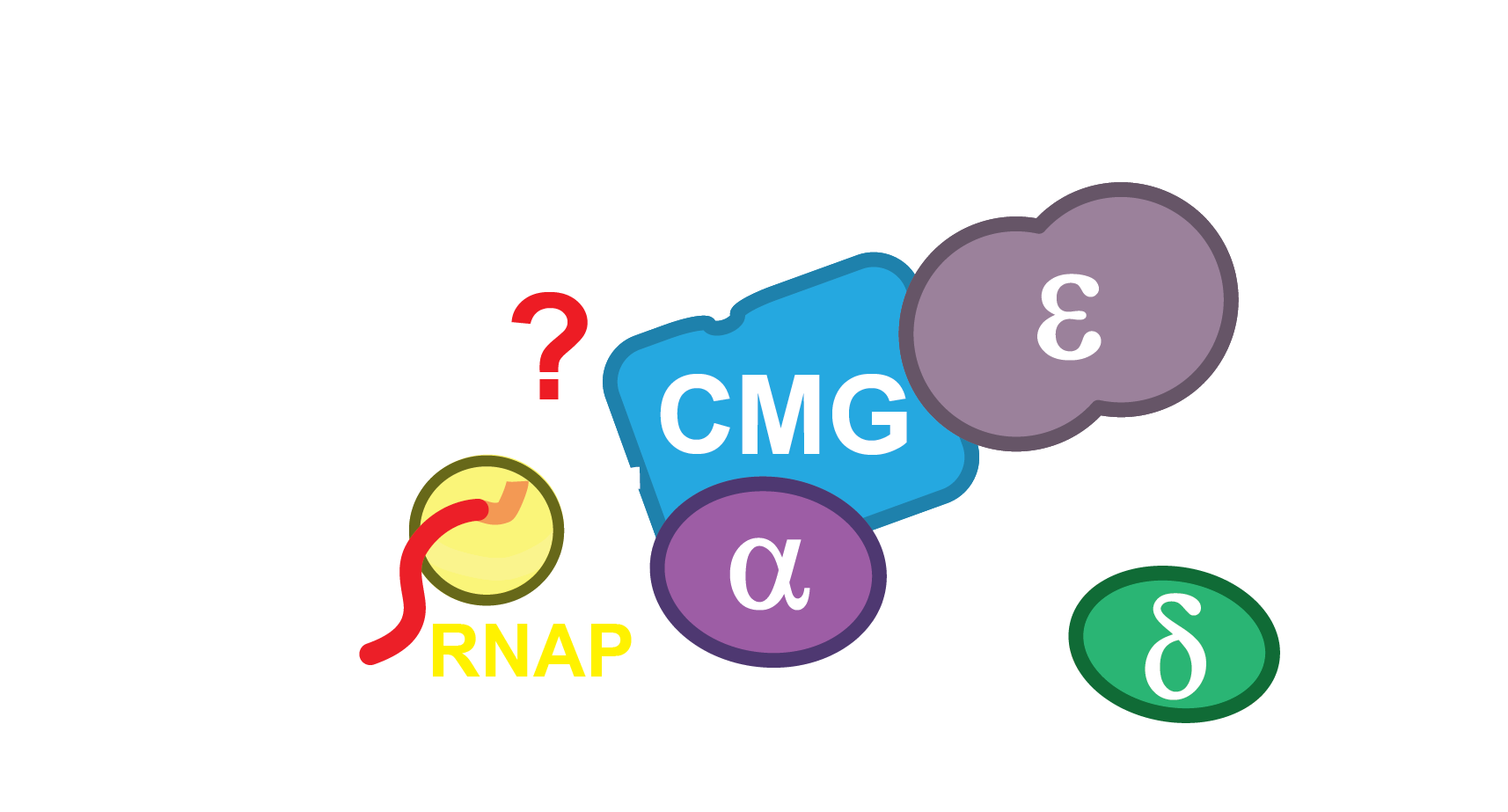
Collisions with R-loop proteins like transcription complexes are mutagenic if unresolved, and particularly “head on” collisions like the replication:transcription collision shown above. Since genes must be transcribed throughout S-phase, how do replication forks regulate these apparently common collisions? We are studying these events with biochemistry and single-molecule fluorescence.
Location and contact info
The Schauer lab is located in MRB 149 and 159, in the Department of Biochemistry and Molecular Biology at Colorado State University in Fort Collins, Colorado, a really nice place to live.
Mailing address:
Schauer Lab
1870 Campus Delivery
Fort Collins, CO 80523
email: grant.schauer
[a t] colostate.edu